
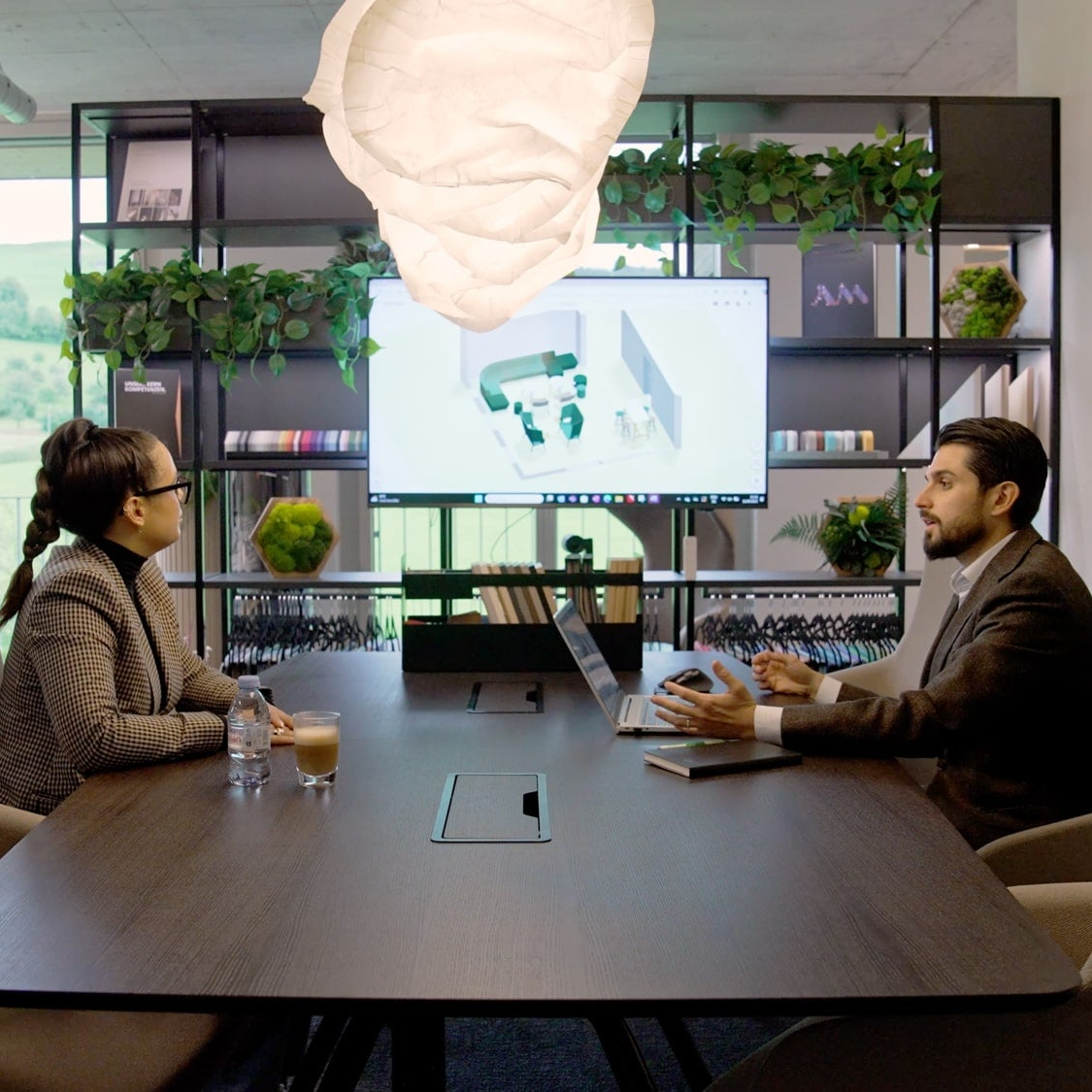




The full interview is available to read here:
What problems do you currently see in the planning of new kindergartens?
Annik: The main problem is that kindergartens are often planned far too small. The square footage per child is insufficient. This creates many difficulties in everyday life – be it during play, learning, or even in transitional situations like changing clothes.
When looking at learning and play spaces – what is crucial in practice?
Annik: It's important that there's space for all the play areas that are central to a child's development. These include building corners, role-playing, discovery and exploration, sensory-motor games, arts and crafts, painting, and board games. Each of these areas needs sufficient space.
Do you have any examples of floor plan designs that are good or not so good?
Annik: I see both sides. There are generously planned kindergartens, but also many where small details cause problems. For example, cloakrooms are often very small. Yet the cloakroom is an important room – children need space and quiet there to change after class. If this space is too small, it quickly leads to stress.
Other examples include windowsills or sinks that are not designed at children's height. Doors that are poorly positioned also complicate the layout. Such details could easily be taken into account in the kindergarten floor plan.
At what stage does it make sense to bring in experts like you?
Annik: As early as possible. Once the floor plan is finalized, small changes can make a big difference. It's often just a matter of a few meters or a door position that can significantly improve everyday use. Ideally, external experts or teachers should be involved as early as the conceptual phase.
Are there areas that could be planned more boldly?
Annik: Yes, absolutely. Many new buildings are based on outdated standards. A kindergarten of the future should be generously planned, with different levels such as galleries that offer quiet spaces or room for role-playing.
It's also important that the architecture isn't dictated by prestige projects, but remains practical. Colors and materials should be neutral and natural – wood, soft natural tones. Children themselves bring enough color into the room.
What about furniture? Do you need a lot to meet the needs of children?
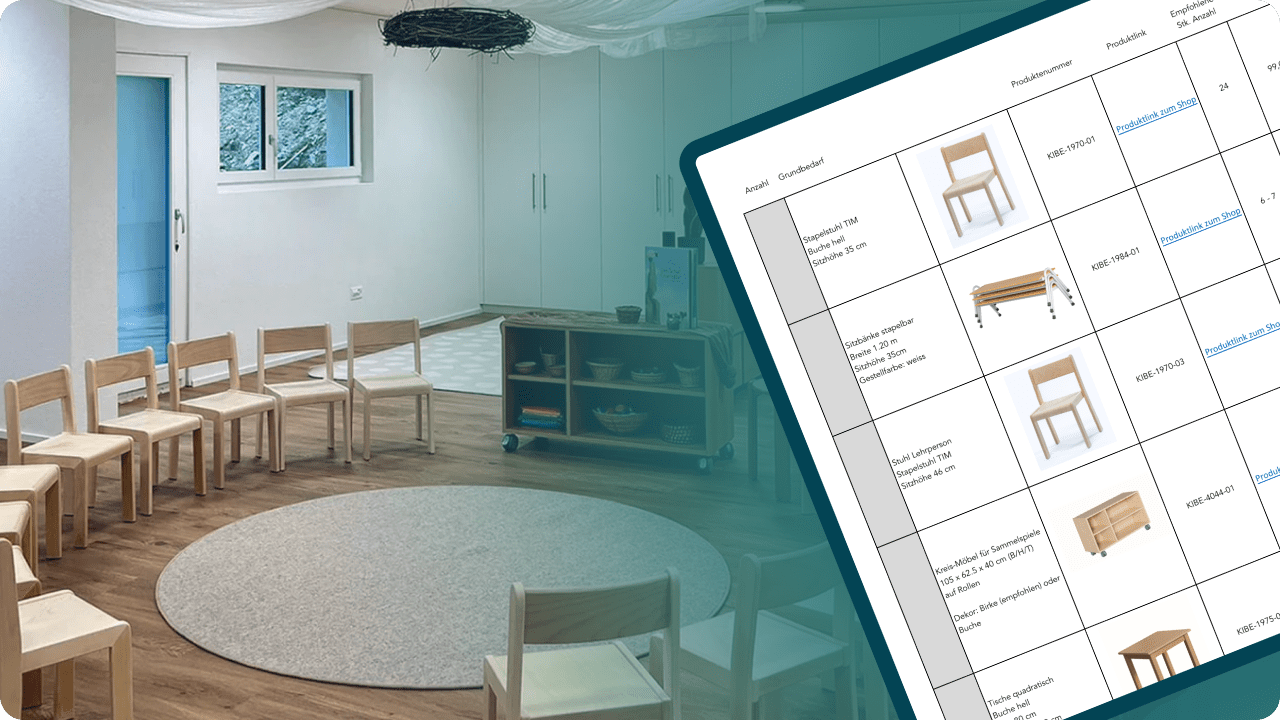
Annik: Quite the opposite. I work according to the principle of "less is more." Many kindergartens have up to 50% too much furniture. This restricts freedom of movement. Instead of buying lots of shelves and tables, it makes more sense to create storage space in wall cabinets and to change toys seasonally. Children need space to move around—not mountains of furniture.
Are there any points that are often forgotten, for example, during setup?
Annik: Yes, for example, the acoustics. Often, an acoustic concept is forgotten in the cloakroom – yet this room is very loud when 25 children are changing at the same time.
Furthermore, the comfort factor is often underestimated: carpets, plants, curtains, or small decorations make rooms pleasant. It's not just about functionality, but about ensuring that teachers and children feel comfortable.
If you had one wish for the kindergarten architecture of the future – what would it be?
Annik: My biggest wish is that kindergartens are planned much more generously. Children need space – to play, explore, paint and move around. Let's give them that space.We achieve this through larger floor plans and less furniture, so that the children can develop freely.
Conclusion: The future of kindergarten architecture lies in spacious, bright, and flexible rooms. Crucial to this is a well-thought-out kindergarten floor plan that incorporates child-friendly details: sufficient space, appropriate ceiling heights, flexible play areas, good acoustics, and minimal furnishings.
Only in this way can learning environments be created in which children can freely develop their curiosity, creativity and joy of movement.